
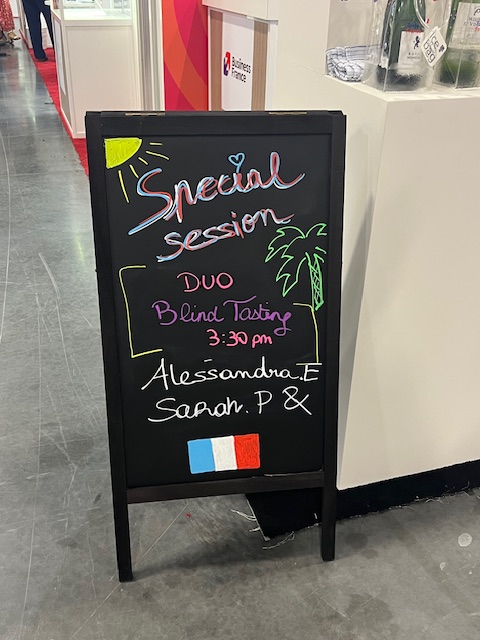
All of us at the Taste of France blind tasting at VINEXPO Americas were in a mood anyway. This aggressive, mansplaining gentleman from who-knows-where had just correctly identified a white blend right down to the grape percentages, vintage, and region. And he was not humble about it.
“And now I’m leaving,” the woman standing next to me sighed.
I felt that, but I also wanted to try the red. Blind tastings are in my future as I sit for the next wine exam in my certification process. I need to get comfortable with explaining what I’m tasting without knowing what I’m tasting.
The tightly-wrapped up red was poured, and after a swirl, a sniff, and a sip, all of us were feeling pretty confident. One person guessed a Grenache but the rest of us said Beaujolais. This had to be the Gamay grape in our glass, all jammy and juicy and with such a smooth finish.
Imagine our surprise when we learned it was a Bordeaux.
Impossibile my inner French critic wanted to shout. What kind of crazy talk was that? We murmured nervously to each other, wondering how we could have gotten it so fantastically wrong. There was no way this was a Bordeaux.
Mais non. C’est vrai.
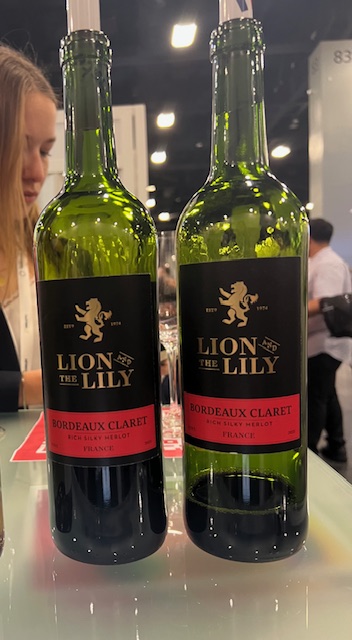
It’s true. It was a Bordeaux Claret we had sipped. It debuted at Wine Paris in February of 2026. This was a new, officially recognized wine style coming out of one of the most historic and established wine regions in the world. Why? What? How?
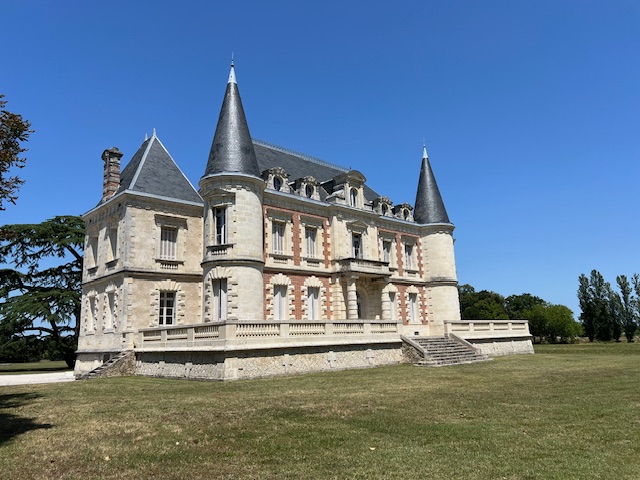
It’s about innovation. And marketing. Bordeaux is not bringing in new drinkers. Sales are suffering. The wine industry, in general, is wondering how to continue surviving if they’re not willing to evolve. New standards have been required to beat back the effects of climate change, for example. Irrigation is now permitted in Bordeaux under strict circumstances when it had traditionally been forbidden. And now we have an emerging generation of wine drinkers who aren’t so interested in the pedigree of southern French chateaux.
Bordeaux Claret’s first vintage is 2025, and 40 producers are releasing wines. It allows for a residual sugar content of up to 7 grams per liter (g/L). That’s not a lot, but it is enough to give this wine a smoother, lighter, and juicier taste. More drinkable, the critics will say. The one I tried in this blind tasting was from Lion the Lily and the wine was 100% Merlot. Again; a departure from the traditional blends we typically find in Bordeaux.
My notes:
- Lots of fruit
- Little tannin
- Shiny, light and lovely color
- Lots of red fruit. Cherry and plum
- Velvet-smooth texture
Serve it chilled, I guess.
Part of me wants to have an attitude about this. Why are fine wine regions feeling like they have to chase the next consumer demographic? And also, are we giving younger drinkers enough credit? Surely they can make their way to traditional Bordeaux when the time is right. Let them wander their own path. Just because influencers of a certain age were dropping jalapenos into “Sauvy-B” doesn’t mean the nuance and depth of classic wine styles are lost on them.
But I’m also a realist. And I want Bordeaux wines to succeed because it’s one of the most interesting and intoxicating regions I’ve ever visited. I love the history. I love the roses on the end of each row of grapes, telling winemakers and farmers about the health of the soil. I also love that the airport in Bordeaux has its own grapes outside. It’s hard to care when your flight is delayed when there’s wine to sip and vines to watch.
So let’s see where this takes us. Welcome to the wine world, Bordeaux Claret. You’re a new wine out of the old world. Imagine.

Leave a Reply